
Finding high-quality images for your website, marketing materials, or social media can be challenging. That’s why I’ve turned to stock photos countless times throughout my career. These professionally shot images provide instant access to millions of visuals without the hassle of organizing photoshoots or worrying about copyright issues.
When you buy stock photos, you’re investing in your brand’s visual identity. The right image can capture attention, convey emotion, and strengthen your message in ways text alone simply can’t. Today’s stock photo marketplaces offer everything from stunning landscapes to diverse business scenarios, all available with different licensing options to suit your specific needs.
What Are Stock Photos and Why Do You Need Them?
Stock photos are professionally captured images available for licensing through online marketplaces. These high-quality visuals can be purchased with specific usage rights, eliminating concerns about copyright infringement. Unlike custom photography, stock photos are pre-shot, immediately available, and significantly more affordable.
When you buy stock photos, you’re gaining access to vast libraries containing millions of professionally-shot images spanning countless categories—business professionals in meetings, breathtaking landscapes, conceptual images representing abstract ideas, and everyday objects photographed from creative angles.
The stock photo industry offers three primary licensing models:
- Royalty-free – Pay once and use the image multiple times across different projects without additional fees
- Rights-managed – Purchase specific usage rights based on factors like distribution, placement, and duration
- Extended licenses – Provide broader permissions for commercial applications, merchandise, or templates
Businesses and creators need stock photos for numerous practical reasons. Professional websites require 5-15 images per page to engage visitors effectively. Social media posts with relevant images receive 94% more views than text-only content. Blog articles featuring quality visuals generate 650% higher engagement than those without images.
Stock photos save significant time and resources compared to organizing custom photoshoots. A professional photography session costs $500-$3,000 for a few hours, while quality stock photos can be purchased for $1-$15 each. This cost-effectiveness makes stock photos essential for businesses with limited marketing budgets needing to maintain visual consistency across platforms.
Top Platforms to Buy Stock Photos

When looking to buy stock photos, choosing the right platform makes all the difference in finding high-quality images that meet your specific needs. Each marketplace offers unique collections, pricing structures, and licensing terms that cater to different creative requirements.
Shutterstock
Shutterstock stands as one of the largest and most comprehensive stock photo platforms available today, with over 400 million images in its extensive library. Their collection grows daily with thousands of new stock photos uploaded by contributors worldwide. Pricing starts with flexible subscription plans beginning around $29 monthly for 10 images, making it accessible for both occasional users and professionals needing regular content. Shutterstock’s powerful search filters make finding the perfect stock photos image simple, allowing searches by color, composition, number of people, and even copy space. Their AI-powered search tool delivers remarkably relevant results when you’re looking for specific visual concepts or themes.
Adobe Stock
Adobe Stock integrates seamlessly with Creative Cloud applications, eliminating workflow disruptions when you buy stock photos. This platform houses over 300 million assets, including high-resolution photos, vectors, illustrations, and videos. Their Standard license covers most common commercial uses, while their Enhanced license provides additional rights for higher-volume projects. What sets Adobe Stock apart is its visual search capability—you can upload a reference image and the system finds similar stock photos based on composition and content. For Creative Cloud subscribers, Adobe offers discounted plans starting at $29.99 monthly for 10 images, with unused downloads rolling over for up to a year.
iStock by Getty Images
iStock by Getty Images delivers premium-quality stock photos organized into two distinct collections: Signature (exclusive, higher-priced images) and Essentials (budget-friendly options). Their credit system provides flexibility—purchase credits in bulk for better rates and redeem them for images based on collection type and size. iStock excels in offering authentic, non-staged photography that captures genuine human moments, making their content ideal for brands seeking relatable imagery. Their Signature collection features completely exclusive stock photos unavailable elsewhere, while their subscription plans offer significant savings for regular content needs, starting at $29 monthly for 10 downloads from their Essentials collection.
Depositphotos
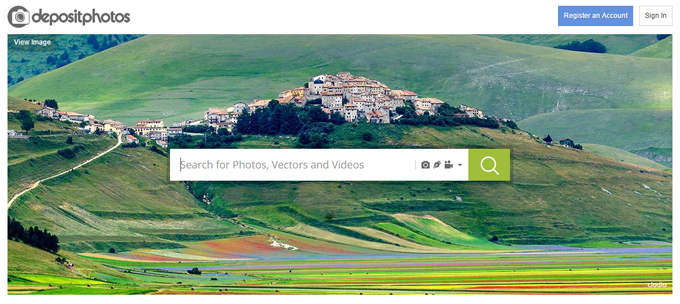
Depositphotos offers one of the most budget-friendly options for those seeking cheap stock photos without compromising quality. Their library includes over 230 million royalty-free images, videos, and vectors, with subscription plans starting as low as $9.99 monthly. Their flexible on-demand plans let you purchase image packs without subscription commitments—perfect for one-time projects. Depositphotos stands out with their “Extended License” option, which allows unlimited print runs for merchandising and promotional items at significantly lower prices than competitors. Their lightning-fast search engine filters results by orientation, size, color, and numerous other parameters, making it easy to find exactly what you need among millions of stock photos.
Understanding Stock Photo Licensing Options

When you buy stock photos, understanding the licensing terms is essential to avoid potential legal issues and ensure proper usage of the images. Licensing dictates exactly how, where, and for how long you can use the stock photos you purchase. Let’s explore the main licensing models available when acquiring stock photos.
Royalty-Free vs. Rights-Managed
Royalty-free licenses provide the most flexible option when purchasing stock photos. With this license, you pay once and can use the image multiple times across various projects without additional fees. There’s typically no expiration date, allowing unlimited usage duration for the permitted applications. However, royalty-free doesn’t mean “free” – it simply means you don’t pay royalties for each use after the initial purchase. Most stock photos available on platforms like Shutterstock and Adobe Stock use this licensing model.
Rights-managed licenses, in contrast, offer more exclusive but restricted usage rights. These licenses specify exactly how, where, when, and for how long you can use the stock photo image. Factors like geographic location, industry, media type, duration, and size all affect the pricing. The advantage is exclusivity – you can often secure exclusive rights to prevent competitors from using the same image. Getty Images specializes in rights-managed stock photos that provide this level of control and exclusivity.
Standard vs. Extended Licenses
Standard licenses cover most common uses of stock photos, including websites, social media, blogs, and presentations. These licenses typically allow you to use images in digital formats with unlimited impressions. When you buy stock photos with a standard license, you’re usually restricted from using them for merchandise, templates for resale, or print runs exceeding certain quantities. Standard licenses are ideal for digital marketing, editorial content, and internal business materials.
Extended licenses (sometimes called enhanced or commercial licenses) grant additional rights beyond standard use. These permits allow you to use stock photos on products for resale, print merchandise, templates, and other commercial applications where the image forms part of the value proposition. Extended licenses cost significantly more than standard licenses, but they’re essential if you plan to create products featuring the stock photo image. For example, if you’re designing t-shirts, mugs, or digital templates for sale, you’ll need this expanded license. Depositphotos and many other platforms offer extended licensing options when you need these additional usage rights.
How Much Does It Cost to Buy Stock Photos?
Stock photo pricing varies significantly across platforms, with options to fit nearly any budget. The cost depends on factors like image quality, licensing terms, and purchase method. Let’s explore the different pricing structures available when you buy stock photos.
Subscription Plans
Subscription plans offer the most cost-effective way to buy stock photos in bulk. Most major stock photo websites provide monthly or annual subscription options with a set number of downloads. For example, Shutterstock offers plans starting at around $29 per month for 10 images, while Adobe Stock provides subscriptions beginning at $29.99 monthly for 10 downloads. These plans typically reduce the per-image cost to between $0.26 and $3.00, making them ideal for businesses with ongoing content needs. The more images included in your subscription, the lower the per-image cost becomes. Many platforms also offer team subscriptions with shared download quotas for multiple users.
On-Demand Purchases
On-demand or pay-as-you-go options let you buy stock photos without committing to a subscription. These work through credit packs or direct purchases of individual images. Credit packs on sites like iStock typically range from $12 for 1 credit to $2,400 for 300 credits, with high-quality images costing between 1-3 credits each. For direct purchases, expect to pay between $7-$15 for a standard license image on sites like Depositphotos, with prices increasing for larger sizes and extended licenses. Premium images from specialized collections or exclusive photographers can cost $50-$500 per image. This pricing model works best for occasional users or those needing specific, high-quality images.
Free Stock Photo Options
Free stock photos provide a no-cost alternative to paid options, though with certain limitations. Platforms like Unsplash, Pexels, and Pixabay offer thousands of free stock photos for personal and commercial use under Creative Commons Zero (CC0) licenses. These images don’t require attribution, though crediting photographers is appreciated. The quality varies significantly, with limited selection for niche topics and fewer model-released images. Free stock photo sites often lack advanced search filters and specific image sizes that paid platforms provide. For basic website imagery or blog content, these options deliver surprisingly good quality without impact to your budget, making them ideal for startups and small businesses with limited resources.
Tips for Choosing the Right Stock Photos
Selecting the perfect stock photos for your projects requires careful consideration of several factors. When you buy stock photos, it’s essential to look beyond just attractive images and evaluate elements that will make them effective for your specific needs.
Quality and Resolution Considerations
High-quality stock photos enhance audience engagement and professional appearance. Always check the resolution before purchasing—images should be at least 300 DPI for print materials and have appropriate pixel dimensions for digital use (1920×1080 for full HD displays, 3840×2160 for 4K). Many stock photo marketplaces like Shutterstock and Adobe Stock display resolution information in their image details, making it easy to verify quality before purchasing.
Lighting and composition are equally important quality indicators. Well-lit stock photos with balanced composition appear more professional and engage viewers effectively. Examine images at full size to check for noise, artifacts, or blurriness that might not be visible in thumbnails. These issues become particularly noticeable when photos are enlarged for use in banners or print materials.
Authenticity and Relevance
Authentic stock photos create stronger connections with your audience. Look for images that feature natural poses, genuine emotions, and realistic scenarios rather than obviously staged shots. When you buy stock photos that feel authentic, you’re more likely to build trust with your audience and enhance your brand’s credibility.
Relevance is crucial when selecting stock photos for your project. The images must align with your brand identity, target audience preferences, and content message. For example, if targeting a young, tech-savvy audience, choose modern, dynamic imagery that reflects current visual trends. Consider cultural relevance too—stock photos should represent diverse populations and avoid stereotypes that might alienate portions of your audience.
Stock photos with negative space often provide more versatility for text overlay and graphic elements. These images work exceptionally well for website headers, social media posts, and marketing materials where you’ll add copy. Before finalizing your purchase, visualize how the stock photo will integrate with your existing design elements to ensure cohesive visual storytelling across all platforms.
How to Use Stock Photos Effectively in Your Projects

Selecting the Right Image Format and Size
Stock photos come in various formats and sizes, making them versatile for different project needs. When I select stock photos for my projects, I always check the format specifications before purchasing. JPEG files are ideal for web and print materials with complex color variations, while PNG files preserve transparency for overlays and graphic design work. For high-detail projects requiring scalability, vector files (often .EPS or .AI) from stock photo platforms provide the flexibility to resize without quality loss. File size matters tremendously—I download high-resolution images (at least 300 DPI) for print projects and optimize lower-resolution versions (72 DPI) for websites to improve load times and user experience.
Customizing Stock Photos to Match Your Brand
Stock photos become uniquely yours through thoughtful customization. I transform standard stock images into brand-specific assets by applying consistent filters that match my brand color palette. Cropping techniques help emphasize specific elements that align with the message I’m conveying. Adding overlay text or graphics to stock photos creates custom messaging opportunities—I frequently place my logo subtly in the corner or incorporate branded graphic elements. Many stock photo sites offer images with ample negative space, perfect for adding text or graphics without cluttering the visual. Using the same editing style across multiple stock photos creates a cohesive look throughout marketing materials.
Avoiding Common Stock Photo Mistakes
The effectiveness of stock photos depends on avoiding critical errors that diminish their impact. I never use overly staged or clichéd images (like businesspeople in unnatural poses or the classic “handshake” photo) as they appear inauthentic and reduce credibility. Using the same stock photos that appear on competitor websites damages uniqueness—I conduct image searches to ensure my selections aren’t overused in my industry. Ignoring licensing terms leads to costly legal issues, so I maintain records of all purchased stock photos and their permitted uses. Low-resolution images appear unprofessional when stretched beyond their intended size—I always check pixel dimensions before purchasing. Misalignment between imagery and text messaging creates cognitive dissonance, so I ensure every stock photo directly supports my content’s message.
Integrating Stock Photos with Original Content
Creating a balanced visual strategy involves thoughtfully combining stock photos with original content. I blend professional stock photos with authentic company photos to create a visual narrative that feels both polished and genuine. Using stock photos as background elements while featuring original product images in the foreground creates professional compositions without requiring complete custom photography. For social media campaigns, I alternate between stock imagery and behind-the-scenes content to maintain visual interest while building authenticity. When creating blog posts, I use stock photos to complement concepts that can’t be easily captured with internal resources. This hybrid approach delivers professional visual quality while maintaining brand authenticity.
Optimizing Stock Photos for Different Platforms
Each platform requires specific optimizations to maximize the impact of stock photos. For websites, I compress stock images to improve page load speed while maintaining visual quality—tools like TinyPNG reduce file size without noticeable quality loss. On Instagram, I crop stock photos to 1:1 square format for feed posts and 9:16 for Stories to maximize screen real estate. LinkedIn content performs better with professional stock imagery featuring less saturation and more subtle tones. Email marketing requires lightweight stock photos (under 200KB) to prevent deliverability issues and improve open rates. Print materials need CMYK-converted stock images at 300 DPI minimum to ensure crisp reproduction. These platform-specific optimizations ensure stock photos perform effectively across all channels.
Conclusion
Stock photos represent a smart investment for businesses and creators seeking professional visuals without the hefty price tag of custom photography. I’ve shown you how to navigate the diverse marketplace options from Shutterstock to free alternatives while understanding crucial licensing considerations that protect your projects.
Remember that the right stock image does more than fill space—it tells your story and reinforces your brand. By focusing on quality resolution authentic imagery and proper customization you’ll create visual content that truly resonates with your audience.
Whether you’re building a website refreshing marketing materials or enhancing social media presence stock photos offer the perfect balance of convenience quality and cost-effectiveness. With the knowledge you’ve gained you’re now equipped to make informed decisions about buying stock photos that elevate your visual strategy.