Creative designers often rely on high-quality visuals to bring their concepts to life, whether for marketing campaigns, branding projects, or digital media. Shutterstock, one of the world’s largest stock content platforms, provides a comprehensive library of images, videos, music, and design assets, making it a go-to resource for creative professionals. Its unique features and tools offer several advantages that can streamline the design process, save time, and inspire new ideas.
Access to an Extensive Library
One of Shutterstock’s primary advantages is its massive collection of over 400 million assets. For creative designers, this means having a nearly endless source of inspiration. The platform includes photos, illustrations, videos, vectors, and music, allowing designers to find everything they need in one place. This versatility is invaluable for those working on projects that require diverse media, such as websites, video ads, or multimedia presentations.
Additionally, Shutterstock’s search functionality is designed to help users quickly locate the perfect asset. Advanced filters allow designers to search by color, style, orientation, or even mood, which can be especially helpful for meeting specific brand guidelines or project requirements.
Creative Editing and Customization Tools
Shutterstock goes beyond simply providing stock content. It also offers tools like the Shutterstock Editor, which allows users to customize images directly within the platform. Designers can add text, resize assets, and apply filters or effects, saving time that might otherwise be spent toggling between multiple programs. For professionals working under tight deadlines, this integration can be a game-changer.
Furthermore, the availability of pre-designed templates means that designers don’t always have to start from scratch. Templates can be a great starting point for creating social media posts, flyers, or presentations, giving designers a foundation they can build upon.
High-Quality, Royalty-Free Content
Another key advantage of Shutterstock is its high-quality, royalty-free content. Designers can confidently use the platform’s assets for both personal and commercial projects without worrying about copyright infringement or additional licensing fees. This flexibility is crucial for maintaining creative freedom and avoiding legal issues down the line.
For those exploring other options, Shutterstock also provides access to a variety of subscription plans and pricing models. Whether a designer needs one-time access or a long-term subscription, the platform’s offerings are designed to accommodate a range of budgets and usage levels. This adaptability ensures that designers get the best value for their investment.
Staying on Trend
Designers are often tasked with creating visuals that feel fresh and relevant. Shutterstock’s curated collections and trend reports can help professionals stay ahead of industry trends. From seasonal themes to emerging design styles, these resources provide a pulse on what’s popular, making it easier for designers to align their work with current market demands.
Collaborative Features for Teams
For designers working in teams or agencies, Shutterstock offers collaborative tools that simplify sharing and feedback. Shared folders, for instance, allow team members to view and approve assets, ensuring seamless communication and project alignment.
Conclusion
Shutterstock stands out as an invaluable resource for creative designers, offering an extensive library, intuitive tools, and adaptable licensing options. By leveraging its features, designers can save time, elevate the quality of their work, and stay creatively inspired, making it a powerful ally in the design process.
Your wedding day was a whirlwind of joy and celebration, but now that it’s over, you’re eagerly anticipating the arrival of your professional photos. These images will help you relive every magical moment, from getting ready with your bridal party to sharing your first dance as newlyweds.
However, you might find yourself wondering, “How long do wedding photos take?” While patience is a virtue, it’s understandable to feel antsy about receiving these precious memories. The truth is, the timeframe can vary depending on several factors. Your photographer is likely investing considerable effort to ensure each image is perfect before delivering your full collection.
Key Takeaways
Wedding photography timelines typically include pre-ceremony sessions (1-3 hours), ceremony coverage (30-90 minutes), and reception photography (3-5 hours).
Factors affecting photo duration include venue locations, wedding size, and photographer’s style and experience.
Pre-ceremony photos, such as getting ready and first look, can take 1-2 hours and help reduce time needed during cocktail hour.
Post-ceremony sessions, including family portraits, wedding party photos, and couple’s portraits, usually require 1.5-2.5 hours total.
Creating an efficient timeline and prioritizing must-have shots can help maximize photography time and ensure all important moments are captured.
Understanding Wedding Photography Timelines
How long do wedding photos take? This question is crucial when planning your big day. A well-structured wedding photography timeline ensures you capture all the important moments without feeling rushed or stressed.
Factors Affecting Your Timeline
Several factors influence the duration of your wedding photo sessions:
Wedding size: Larger weddings typically require more time for group shots
Venue logistics: Multiple locations may add travel time
Photographer’s style: Documentary vs. editorial approaches impact timing
Desired photo variety: More setups and poses increase time requirements
Key Photography Moments
Your wedding photography timeline should account for these essential moments:
Getting ready shots
First look (if applicable)
Couple portraits
Wedding party photos
Family portraits
Ceremony coverage
Reception highlights
Sample Timeline Breakdown
Here’s a general breakdown of how long wedding photos take for each segment:
Photo Session
Approximate Duration
Getting ready
1-2 hours
First look
30-45 minutes
Couple portraits
1 hour
Wedding party
30-45 minutes
Family portraits
30-45 minutes
Ceremony
30 minutes – 1 hour
Reception
2-3 hours
Planning Tips
To optimize your wedding photography timeline:
Communicate clearly with your photographer
Allow buffer time between events
Consider lighting conditions for outdoor shots
Prioritize must-have photos
Designate a family member to help organize group shots
By understanding these elements, you’ll create a photography timeline that captures all your special moments without compromising on quality or causing undue stress.
Pre-Ceremony Photo Sessions
Pre-ceremony photo sessions are crucial for capturing the excitement and anticipation before your wedding. These sessions typically include getting ready photos and the first look, if you choose to have one. Understanding how long these sessions take is essential for planning your wedding day timeline effectively.
Getting Ready Photos
Getting ready photos capture the intimate moments of preparation and excitement before the ceremony. These sessions typically last 90 to 120 minutes, depending on the size of your wedding party and the complexity of your preparations. Your photographer will document details like your dress, accessories, and candid moments with your bridesmaids or groomsmen. To make the most of this time:
Choose a well-lit room with minimal clutter
Have all important details (rings, invitations, shoes) ready for the photographer
Allow extra time for hair and makeup, as these often take longer than expected
First Look: Pros and Cons
A first look is a private moment when the couple sees each other before the ceremony. This session usually takes 30 to 60 minutes and can significantly impact how long your wedding photos take overall. Consider these pros and cons when deciding whether to include a first look:
Pros:
Allows for more relaxed couple portraits before the ceremony
Reduces time needed for photos during cocktail hour
Helps calm pre-ceremony nerves
Cons:
Breaks tradition of seeing each other for the first time at the ceremony
May require an earlier start to the day
Could potentially diminish the emotional impact of the ceremony entrance
When planning your pre-ceremony photo sessions, communicate clearly with your photographer about your preferences and timeline. This will help ensure you capture all the special moments without feeling rushed on your big day.
Ceremony Photography
Ceremony photography captures the heart of your wedding day. The duration of this crucial phase depends on various factors, including the type and length of your ceremony. Understanding how long wedding photos take during this pivotal moment helps you plan effectively.
Duration for Different Types of Ceremonies
The length of ceremony photography varies based on the type of ceremony you choose:
Traditional religious ceremonies: 45-90 minutes
Civil ceremonies: 15-30 minutes
Non-traditional or personalized ceremonies: 30-60 minutes
Photographers typically arrive 15-30 minutes before the ceremony starts to capture the venue setup and guests arriving. They’ll stay throughout the entire ceremony, ensuring they don’t miss any important moments.
Capturing Key Moments
During the ceremony, your photographer focuses on several key moments:
Your photographer moves discreetly throughout the ceremony, capturing these moments from various angles. They’ll also take candid shots of guests’ reactions and wide-angle photos of the entire scene. The goal is to tell the complete story of your ceremony through images, which contributes to how long your wedding photos take overall.
Post-Ceremony Photo Sessions
After the ceremony, it’s time for the post-ceremony photo sessions. These sessions capture the joy and excitement of the newlyweds, their families, and friends. Here’s a breakdown of how long these crucial photo sessions typically take.
Family Portraits
Family portraits are an essential part of wedding photography, typically taking 30-45 minutes. To optimize this time:
Create a shot list in advance
Designate a family member to gather everyone
Start with larger groups and work down to smaller ones
Allow 3-4 minutes per grouping
Efficient planning ensures you capture all desired combinations without rushing or missing anyone.
Wedding Party Photos
Wedding party photos usually take 30-45 minutes, depending on the size of your group. To make the most of this time:
Choose a location near the ceremony or reception venue
Plan for both formal and fun shots
Allocate 15-20 minutes for full group photos
Use the remaining time for smaller group combinations
These photos showcase the special relationships you share with your closest friends and family.
Couple’s Portrait Session
The couple’s portrait session is a highlight of wedding photography, typically lasting 30-60 minutes. To maximize this time:
Scout photogenic locations in advance
Plan for different backdrops and lighting conditions
Allow time for outfit changes if desired
Include both posed and candid shots
This session provides intimate moments for you as a couple and results in some of the most cherished wedding photos.
By understanding how long each of these post-ceremony photo sessions take, you can better plan your wedding day timeline and ensure you get all the photos you desire.
Reception Photography
Reception photography typically lasts 3-5 hours, capturing the celebratory events following the ceremony. This phase is crucial for documenting the joyous atmosphere and memorable moments of your wedding celebration.
Key Events to Capture
During the reception, your photographer focuses on several key events:
Grand entrance: 5-10 minutes
First dance: 3-5 minutes
Parent dances: 5-10 minutes
Toasts and speeches: 15-30 minutes
Cake cutting: 5-10 minutes
Bouquet and garter toss: 5-10 minutes each
Couple’s exit: 5-10 minutes
Your photographer also captures detail shots of the venue, decorations, and table settings, which typically take 15-30 minutes. These images preserve the ambiance and aesthetic of your reception.
Candid Moments Throughout
Throughout the reception, your photographer captures candid moments, including:
Guests mingling during cocktail hour: 30-60 minutes
Dancing on the dance floor: Ongoing throughout the reception
Candid guest interactions: Ongoing throughout the reception
Spontaneous moments and reactions: Ongoing throughout the reception
These unplanned shots often result in some of the most cherished and authentic images from your wedding day. The duration for capturing these moments varies based on your reception’s length and the number of guests present.
To ensure comprehensive coverage, consider:
Providing your photographer with a detailed timeline of reception events
Allowing ample time between key events for candid photography
Communicating any specific moments or guests you want captured
Opting for a second shooter to capture more angles and moments simultaneously
By understanding the time required for reception photography, you can better plan your overall wedding timeline and ensure all significant moments are preserved.
Factors Affecting Photography Duration
Several key factors influence how long wedding photos take. Understanding these elements helps you plan your wedding day timeline effectively and ensures all important moments are captured.
Venue Locations and Travel Time
Venue locations and travel time significantly impact your wedding photography duration. Multiple venues or locations for different parts of the day (e.g., getting ready, ceremony, and reception) require additional time for the photographer to travel and set up equipment. Consider:
Distance between venues
Traffic conditions
Parking availability
Time needed to transport equipment
Allow extra buffer time in your schedule to account for potential travel delays or unexpected circumstances.
Wedding Size and Complexity
The size and complexity of your wedding directly affect how long your wedding photos take. Larger weddings with more guests and intricate details typically require more time to photograph. Factors to consider include:
Number of guests
Complexity of decor and setup
Cultural or religious traditions
Number of family and group photos requested
For every 10 additional guests, add about 10-15 minutes to your photography timeline. Complex ceremonies or receptions with multiple events may require extended coverage.
Photographer’s Experience and Style
Your photographer’s experience level and shooting style play a crucial role in determining how long wedding photos take. Consider these aspects:
Experience: Seasoned photographers often work more efficiently, requiring less time to capture key moments.
Style: Documentary-style photographers may need less time than those who focus on posed or editorial shots.
Equipment setup: Some styles require more time for lighting and equipment arrangement.
Post-processing: Photographers who do extensive editing may take longer to deliver final images.
Discuss your photographer’s approach and timeline expectations during your initial consultations to ensure their style aligns with your vision and schedule.
Creating an Efficient Wedding Day Timeline
An efficient wedding day timeline is crucial for ensuring smooth photography coverage and capturing all important moments. Here’s how to structure your timeline with and without a first look, addressing the question of how long wedding photos take.
Sample Timelines With and Without First Look
A well-planned timeline can significantly impact how long wedding photos take. Here are two sample timelines to help you visualize the flow of your wedding day:
With First Look:
10:00 AM – 12:00 PM: Getting ready photos (2 hours)
12:00 PM – 12:30 PM: First look and couple portraits (30 minutes)
12:30 PM – 1:15 PM: Wedding party photos (45 minutes)
11:00 AM – 1:00 PM: Getting ready photos (2 hours)
1:30 PM – 2:15 PM: Ceremony (45 minutes)
2:15 PM – 3:00 PM: Family portraits (45 minutes)
3:00 PM – 3:45 PM: Wedding party photos (45 minutes)
3:45 PM – 4:30 PM: Couple portraits (45 minutes)
5:00 PM – 10:00 PM: Reception (5 hours)
These timelines illustrate how the choice of including a first look can affect your overall schedule and the duration of wedding photos. Discuss these options with your photographer to determine the best approach for your specific needs and preferences.
Tips for Maximizing Photography Time
Optimizing your wedding photography timeline ensures you capture all the important moments without feeling rushed. Here are some tips to make the most of your photography time:
Effective Communication with Your Photographer
Clear communication with your photographer is crucial for maximizing photography time. Schedule a pre-wedding consultation to discuss your vision, must-have shots, and timeline. Share your wedding day schedule, including locations and key events. Be specific about your preferences and any unique elements you want to be captured. This open dialogue allows your photographer to plan efficiently and allocate time appropriately for each segment of your wedding day.
Prioritizing Must-Have Shots
Create a prioritized list of must-have shots to ensure you capture all essential moments. Focus on the most important photos first, such as family portraits and couple shots. Discuss this list with your photographer and incorporate it into your timeline. Designate a family member or friend to help gather people for group shots, saving valuable time. By prioritizing, you’ll ensure that even if unexpected delays occur, you’ll still have the most crucial photos captured within the allocated time frame.
Conclusion
Your wedding photos are a cherished keepsake of your special day. Understanding the timeline for capturing these memories is crucial for a stress-free experience. From pre-ceremony preparations to the last dance at your reception every moment counts.
By communicating clearly with your photographer planning ahead and staying flexible you’ll ensure that all your precious moments are beautifully preserved. Remember that while timelines are important the most vital aspect is enjoying your day. Trust your photographer’s expertise and let them work their magic to create stunning visual memories you’ll treasure for a lifetime.
Have you tried looking for Corbis Motion only to be directed to Getty Images? Do not be alarmed! This is not
a glitch in the system. Significant and popular stock footages in Corbis Motion were migrated to GI for the past couple of months. Now, you have a more comprehensive and diverse library to explore. Corbis Motion closed its doors in May 2, 2016, but the migration was completed in the summer.
What does this mean? Is Corbis Motion gone? The answer to the second question is no. Corbis Motion is not gone. It is simply available in a different library. This means you will have access to more stunning content, coupled with global services and expert insights at Getty Images. To find what you are looking for, simply enter the keyword Corbis to the footage search bar and you will find:
A total of 68 stock footages from Corbis Motion
1 Editorial video
67 Creative films
Videos from popular media sites can also be found at Getty Images. They include contributions from BBC Motion, National Geography, Bloomberg and Disney.
In addition to Corbis footage, you can also access and download videos from Getty’s collection. There are premium 4K videos, editorial films, and featured collections to help you find what you are looking for. You can also browse more collections from other media sites or popular categories in the stock site.
Once you find the Corbis Motion videos you are looking for, you can easily buy them. You can get a Royalty-Free license or Rights-Managed license with them, too. Purchase the RF footage a la carte or on demand with Ultrapacks to save hundreds of dollars. If you need exclusive rights, RM is the best option for your purchase.
So, is Corbis Motion really gone? No, the videos were just transferred to a new home. Getty Images has been in the industry for two decades and has the largest stock collection at the present. If you are looking for quality and variety, you will find them here.
When it comes to stock photos, users always look at the price per image or the subscription rates. That is why they always look for the cheapest stock photo site in the market. Some have actual budget constraints, while most simply want to spend on more important things such as marketing. They use these images to enhance their reputation through remarkable bran representation.
Of course, images from cheap stock images are not of inferior quality to expensive ones. In fact, they are roughly the same. Finding the cheapest stock photo agencies takes time and research. A lot of websites promise very cheap stock images but not all of them live up to their promises. Some fail with the quantity, while others flop with the quality. Thus, you should never invest with any website that offers either than. Select a photo site that offers both.
To spare you the trouble of finding the cheapest stock photo websites, we took the pleasure to enumerate them for your own convenience. These websites feature both great quality and quantity images. Here is a list of very affordable stock image sites and their features to give you an insight of what they offer and how much they cost. We hope that this will help you find the right image source for your creative needs.
1) Photospin
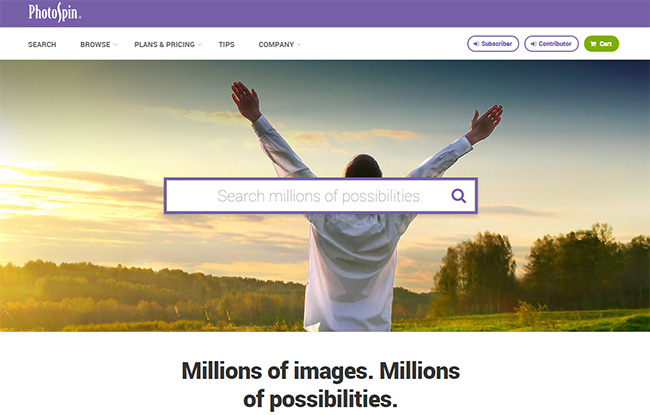
With Photospin, you can get images for as low as $0.01. Yes, that’s right! That’s the cheapest price you can get for high quality images, illustrations and graphics. Photospin has over 2.5 million images in its library. It may not be as much as other websites, but it offers them for the cheapest price. Besides, that much of a library is still large enough to fill your needs.
2) Depositphotos
Depositphotos is one of the most popular stock image banks in the market. It offers high quality images for as low as $0.10 per piece. It even offers a free trial for 7 days to newly registered users, allowing them to download 35 free stock images or 5 images per day for 7 days. It also offers subscription plans, where you can save more. This stock photo site is surely worth checking out.
3) Dreamstime
Dreamstime offers its stock images for $0.20. Like other stock photo websites, it also offers a free photo gallery upon registration. The website offers their royalty-free images for very flexible prices. You are conveniently directed to the image section where you can download images for as low as $0.20 with your very own payment option.
There are many stock photo agencies out there that also offer cheap stock photos. There is Shutterstock, iStock and the newest addition by Adobe: Adobe Stock. If you are looking for the cheapest stock image site, these are worth checking out!
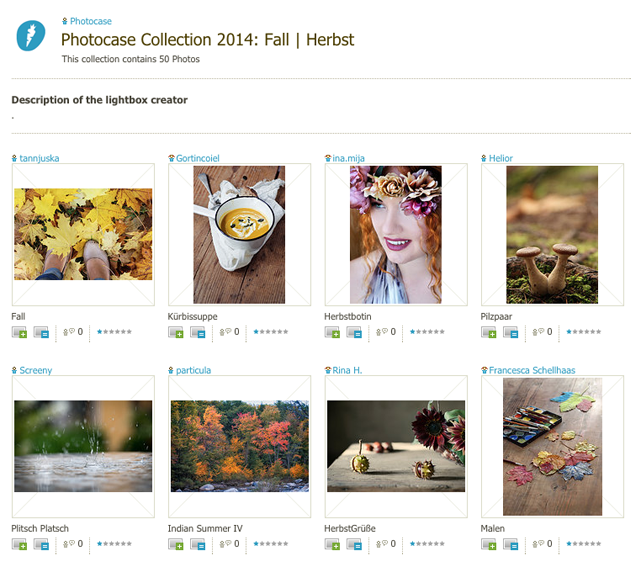
Photocase, a German-based site that collects creative stock photos, made available by a dedicated community, began in 2001. This allowed people to buy authentic cheap stock photos from people who were invested in finding and sharing creative stock photos. In this Photocase review, you will learn about how to find and buy authentic stock photos and what separates Photocase from the competition.
The Basics of Photocase
Over a decade of users uploading to and downloading images from this site has led to a modest but dedicated base of users who regularly find themselves in need of stock images. While noted in any number of Photocase review postings and articles, the collection isn’t as expansive as those offered by more corporate-focused stock image hosts which can turn some away. I found the StockPhotoSecrets review on of the best, but wanted to have my own one here. But the structure here is so unique that those who frequently use stock images may find themselves unable to turn to another site once working with this one.
Standards by which images are selected differ greatly from rival sites. The art of photography is very much a focus in Photocase and the focus of potential commercialization–matching images to any number of industries’ standards.
Uploaders, when their images are accepted, are given credits towards downloads of other images available. Income can also be earned by the download from other users, but this occurs when these downloads are not bought on the currency of credited awarded to contributors. So while the earning potential may be low with co many contributors being the same to download from other users, there is still a wealth of artistic imagery to be used. And this collection may only be on the rise, as the number of contributors remains small, these same people are dedicated to collecting and sharing unique images in this small community.
The focus of images collected here is on the unique and what could be deemed artistic in nature. These aren’t necessarily the same kind of photos found on the cover of major magazines but will appeal to photographers, graphic designers, and photo enthusiasts alike.
Purchasing of images can come from credits earned through community interaction, debit, credit, and various methods of PayPal invoices. While the offerings may be appealing, and the community of contributors intimate, the offset is in the pricing of images. Users may find themselves paying more for the image here than they have at rival sites. Some single images can range from €10 to €20, and that’s not considering factors like size and whether or not images come packaged with others, which can up the price as high as €70.
For many, the use of credits will be more appealing than paying the exorbitant rates, thus ensuring a self-sustaining library of images to be used and shared amongst the community. Contributors can earn 40% to 60% of their contributed images, and even in credits this can lead to purchasing power rather quickly.
The issue of licensing is a big one with those who use stock images. It almost never seems clear as to when and where an image can be used without stepping on the toes of the original distributor of the image. But here users will find detailed guides on how licensing works, highlighting how images can be used and in which markets they can be accepted, along with where and how to credit the author of the image and how to purchase exclusivity to an image making a credit unneeded. They will have options to royalty-free licensing, requiring only a sourcing credit for limited runs up to 250,000 prints. There are also extended licenses that give the purchaser rights for unlimited prints and the rights to reuse images in reprints.
Conclusion of this Photocase Review
Determining the quality of the site relies heavily against the user who intends to use it and their needs of stock images. for those with an international audience they are trying to reach with a marketable appeal to rival that of fashion magazines and sites, a different site may be more to their liking. For the artistically inclined who want to capture people’s attention with stand-out images or brand with uniqueness, they’ll find a home here.







 Over a decade of users uploading to and downloading images from this site has led to a modest but dedicated base of users who regularly find themselves in need of stock images. While noted in any number of