In the highly competitive food and hospitality industry, visually compelling content is essential for attracting customers and building brand identity. Restaurant and food promotional videos rely heavily on high-quality visuals to showcase dishes, ambiance, and overall dining experience. Stock footage has become a powerful tool in achieving this, allowing businesses to create professional marketing materials efficiently. With platforms like Adobe Stock offering extensive libraries, producing eye-catching food promos is more accessible than ever.
The Power of Visual Appeal in Food Marketing
Food is inherently visual, and customers often make dining decisions based on how dishes look. High-resolution, well-lit footage of meals being prepared or served can instantly stimulate appetite and interest. Stock footage helps capture these moments in a polished and cinematic way, making promotional videos more engaging.
Beyond the food itself, visuals of restaurant interiors, chefs at work, and satisfied customers contribute to storytelling. These elements create an emotional connection, helping viewers imagine the full dining experience.
Types of Stock Footage for Food Promotions
Choosing the right footage is crucial for delivering an effective message and showcasing your brand.
Food Preparation and Cooking Scenes Clips of chefs chopping ingredients, grilling meats, or plating dishes highlight freshness and craftsmanship. These visuals emphasize quality and attention to detail.
Close-Up Food Shots Macro shots of dishes—such as sizzling steaks, melting cheese, or freshly baked pastries—are highly effective in capturing attention. These visuals are often the centerpiece of food promos.
Restaurant Atmosphere Footage showing the ambiance, décor, and customer interactions helps convey the overall experience. Whether it’s a fine dining restaurant or a casual café, these visuals set the tone.
Lifestyle and Dining Moments Scenes of people enjoying meals, sharing conversations, and celebrating occasions add a human element to your videos, making them more relatable.
Where to Source High-Quality Food Footage
There are numerous platforms where creators can find stock footage tailored to restaurant promotions.
Free Platforms Websites like Pexels and Pixabay offer a range of food-related clips. While useful for smaller projects, their selections may be limited in variety and style.
Premium Platforms Services such as Adobe Stock, Shutterstock, and Envato Elements provide extensive collections of professional-grade food footage. These platforms offer high-quality clips with consistent lighting, composition, and style, making them ideal for commercial use.
Best Practices for Using Stock Footage in Food Promos
To create impactful restaurant videos, it’s important to use stock footage strategically.
Maintain Brand Consistency Ensure that the visuals align with your restaurant’s identity, including color tones, mood, and presentation style.
Focus on Quality and Detail High-resolution footage with sharp details enhances the perceived quality of your food and brand.
Use Smooth Transitions and Editing Seamless transitions between clips create a polished and professional final product.
Highlight Signature Dishes Prioritize visuals that showcase your most popular or unique menu items to attract attention.
Final Thoughts
Stock footage is an invaluable resource for restaurant and food promotions, enabling businesses to create visually stunning content without the need for extensive production resources. Platforms like Adobe Stock provide access to a wide range of high-quality clips that can elevate your marketing efforts. By carefully selecting and integrating the right visuals, restaurants can craft compelling videos that entice customers, strengthen brand identity, and ultimately drive more business.
Finding high-quality images for your website, marketing materials, or social media can be challenging. That’s why I’ve turned to stock photos countless times throughout my career. These professionally shot images provide instant access to millions of visuals without the hassle of organizing photoshoots or worrying about copyright issues.
When you buy stock photos, you’re investing in your brand’s visual identity. The right image can capture attention, convey emotion, and strengthen your message in ways text alone simply can’t. Today’s stock photo marketplaces offer everything from stunning landscapes to diverse business scenarios, all available with different licensing options to suit your specific needs.
What Are Stock Photos and Why Do You Need Them?
Stock photos are professionally captured images available for licensing through online marketplaces. These high-quality visuals can be purchased with specific usage rights, eliminating concerns about copyright infringement. Unlike custom photography, stock photos are pre-shot, immediately available, and significantly more affordable.
When you buy stock photos, you’re gaining access to vast libraries containing millions of professionally-shot images spanning countless categories—business professionals in meetings, breathtaking landscapes, conceptual images representing abstract ideas, and everyday objects photographed from creative angles.
The stock photo industry offers three primary licensing models:
Royalty-free – Pay once and use the image multiple times across different projects without additional fees
Rights-managed – Purchase specific usage rights based on factors like distribution, placement, and duration
Extended licenses – Provide broader permissions for commercial applications, merchandise, or templates
Businesses and creators need stock photos for numerous practical reasons. Professional websites require 5-15 images per page to engage visitors effectively. Social media posts with relevant images receive 94% more views than text-only content. Blog articles featuring quality visuals generate 650% higher engagement than those without images.
Stock photos save significant time and resources compared to organizing custom photoshoots. A professional photography session costs $500-$3,000 for a few hours, while quality stock photos can be purchased for $1-$15 each. This cost-effectiveness makes stock photos essential for businesses with limited marketing budgets needing to maintain visual consistency across platforms.
Top Platforms to Buy Stock Photos
When looking to buy stock photos, choosing the right platform makes all the difference in finding high-quality images that meet your specific needs. Each marketplace offers unique collections, pricing structures, and licensing terms that cater to different creative requirements.
Shutterstock
Shutterstock stands as one of the largest and most comprehensive stock photo platforms available today, with over 400 million images in its extensive library. Their collection grows daily with thousands of new stock photos uploaded by contributors worldwide. Pricing starts with flexible subscription plans beginning around $29 monthly for 10 images, making it accessible for both occasional users and professionals needing regular content. Shutterstock’s powerful search filters make finding the perfect stock photos image simple, allowing searches by color, composition, number of people, and even copy space. Their AI-powered search tool delivers remarkably relevant results when you’re looking for specific visual concepts or themes.
Adobe Stock
Adobe Stock integrates seamlessly with Creative Cloud applications, eliminating workflow disruptions when you buy stock photos. This platform houses over 300 million assets, including high-resolution photos, vectors, illustrations, and videos. Their Standard license covers most common commercial uses, while their Enhanced license provides additional rights for higher-volume projects. What sets Adobe Stock apart is its visual search capability—you can upload a reference image and the system finds similar stock photos based on composition and content. For Creative Cloud subscribers, Adobe offers discounted plans starting at $29.99 monthly for 10 images, with unused downloads rolling over for up to a year.
iStock by Getty Images
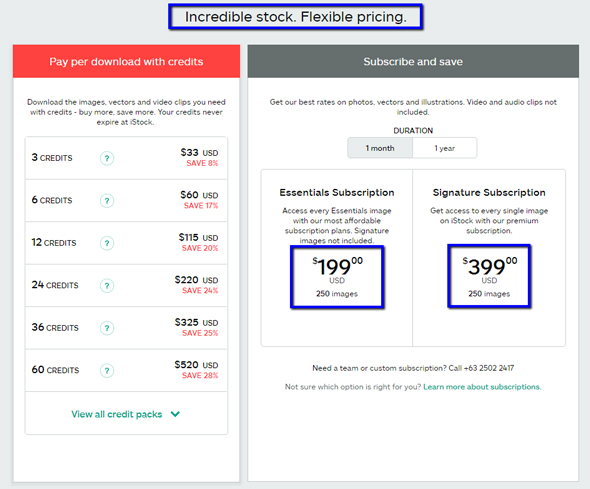
iStock by Getty Images delivers premium-quality stock photos organized into two distinct collections: Signature (exclusive, higher-priced images) and Essentials (budget-friendly options). Their credit system provides flexibility—purchase credits in bulk for better rates and redeem them for images based on collection type and size. iStock excels in offering authentic, non-staged photography that captures genuine human moments, making their content ideal for brands seeking relatable imagery. Their Signature collection features completely exclusive stock photos unavailable elsewhere, while their subscription plans offer significant savings for regular content needs, starting at $29 monthly for 10 downloads from their Essentials collection.
Depositphotos
Depositphotos offers one of the most budget-friendly options for those seeking cheap stock photos without compromising quality. Their library includes over 230 million royalty-free images, videos, and vectors, with subscription plans starting as low as $9.99 monthly. Their flexible on-demand plans let you purchase image packs without subscription commitments—perfect for one-time projects. Depositphotos stands out with their “Extended License” option, which allows unlimited print runs for merchandising and promotional items at significantly lower prices than competitors. Their lightning-fast search engine filters results by orientation, size, color, and numerous other parameters, making it easy to find exactly what you need among millions of stock photos.
Understanding Stock Photo Licensing Options
When you buy stock photos, understanding the licensing terms is essential to avoid potential legal issues and ensure proper usage of the images. Licensing dictates exactly how, where, and for how long you can use the stock photos you purchase. Let’s explore the main licensing models available when acquiring stock photos.
Royalty-Free vs. Rights-Managed
Royalty-free licenses provide the most flexible option when purchasing stock photos. With this license, you pay once and can use the image multiple times across various projects without additional fees. There’s typically no expiration date, allowing unlimited usage duration for the permitted applications. However, royalty-free doesn’t mean “free” – it simply means you don’t pay royalties for each use after the initial purchase. Most stock photos available on platforms like Shutterstock and Adobe Stock use this licensing model.
Rights-managed licenses, in contrast, offer more exclusive but restricted usage rights. These licenses specify exactly how, where, when, and for how long you can use the stock photo image. Factors like geographic location, industry, media type, duration, and size all affect the pricing. The advantage is exclusivity – you can often secure exclusive rights to prevent competitors from using the same image. Getty Images specializes in rights-managed stock photos that provide this level of control and exclusivity.
Standard vs. Extended Licenses
Standard licenses cover most common uses of stock photos, including websites, social media, blogs, and presentations. These licenses typically allow you to use images in digital formats with unlimited impressions. When you buy stock photos with a standard license, you’re usually restricted from using them for merchandise, templates for resale, or print runs exceeding certain quantities. Standard licenses are ideal for digital marketing, editorial content, and internal business materials.
Extended licenses (sometimes called enhanced or commercial licenses) grant additional rights beyond standard use. These permits allow you to use stock photos on products for resale, print merchandise, templates, and other commercial applications where the image forms part of the value proposition. Extended licenses cost significantly more than standard licenses, but they’re essential if you plan to create products featuring the stock photo image. For example, if you’re designing t-shirts, mugs, or digital templates for sale, you’ll need this expanded license. Depositphotos and many other platforms offer extended licensing options when you need these additional usage rights.
How Much Does It Cost to Buy Stock Photos?
Stock photo pricing varies significantly across platforms, with options to fit nearly any budget. The cost depends on factors like image quality, licensing terms, and purchase method. Let’s explore the different pricing structures available when you buy stock photos.
Subscription Plans
Subscription plans offer the most cost-effective way to buy stock photos in bulk. Most major stock photo websites provide monthly or annual subscription options with a set number of downloads. For example, Shutterstock offers plans starting at around $29 per month for 10 images, while Adobe Stock provides subscriptions beginning at $29.99 monthly for 10 downloads. These plans typically reduce the per-image cost to between $0.26 and $3.00, making them ideal for businesses with ongoing content needs. The more images included in your subscription, the lower the per-image cost becomes. Many platforms also offer team subscriptions with shared download quotas for multiple users.
On-Demand Purchases
On-demand or pay-as-you-go options let you buy stock photos without committing to a subscription. These work through credit packs or direct purchases of individual images. Credit packs on sites like iStock typically range from $12 for 1 credit to $2,400 for 300 credits, with high-quality images costing between 1-3 credits each. For direct purchases, expect to pay between $7-$15 for a standard license image on sites like Depositphotos, with prices increasing for larger sizes and extended licenses. Premium images from specialized collections or exclusive photographers can cost $50-$500 per image. This pricing model works best for occasional users or those needing specific, high-quality images.
Free Stock Photo Options
Free stock photos provide a no-cost alternative to paid options, though with certain limitations. Platforms like Unsplash, Pexels, and Pixabay offer thousands of free stock photos for personal and commercial use under Creative Commons Zero (CC0) licenses. These images don’t require attribution, though crediting photographers is appreciated. The quality varies significantly, with limited selection for niche topics and fewer model-released images. Free stock photo sites often lack advanced search filters and specific image sizes that paid platforms provide. For basic website imagery or blog content, these options deliver surprisingly good quality without impact to your budget, making them ideal for startups and small businesses with limited resources.
Tips for Choosing the Right Stock Photos
Selecting the perfect stock photos for your projects requires careful consideration of several factors. When you buy stock photos, it’s essential to look beyond just attractive images and evaluate elements that will make them effective for your specific needs.
Quality and Resolution Considerations
High-quality stock photos enhance audience engagement and professional appearance. Always check the resolution before purchasing—images should be at least 300 DPI for print materials and have appropriate pixel dimensions for digital use (1920×1080 for full HD displays, 3840×2160 for 4K). Many stock photo marketplaces like Shutterstock and Adobe Stock display resolution information in their image details, making it easy to verify quality before purchasing.
Lighting and composition are equally important quality indicators. Well-lit stock photos with balanced composition appear more professional and engage viewers effectively. Examine images at full size to check for noise, artifacts, or blurriness that might not be visible in thumbnails. These issues become particularly noticeable when photos are enlarged for use in banners or print materials.
Authenticity and Relevance
Authentic stock photos create stronger connections with your audience. Look for images that feature natural poses, genuine emotions, and realistic scenarios rather than obviously staged shots. When you buy stock photos that feel authentic, you’re more likely to build trust with your audience and enhance your brand’s credibility.
Relevance is crucial when selecting stock photos for your project. The images must align with your brand identity, target audience preferences, and content message. For example, if targeting a young, tech-savvy audience, choose modern, dynamic imagery that reflects current visual trends. Consider cultural relevance too—stock photos should represent diverse populations and avoid stereotypes that might alienate portions of your audience.
Stock photos with negative space often provide more versatility for text overlay and graphic elements. These images work exceptionally well for website headers, social media posts, and marketing materials where you’ll add copy. Before finalizing your purchase, visualize how the stock photo will integrate with your existing design elements to ensure cohesive visual storytelling across all platforms.
How to Use Stock Photos Effectively in Your Projects
Selecting the Right Image Format and Size
Stock photos come in various formats and sizes, making them versatile for different project needs. When I select stock photos for my projects, I always check the format specifications before purchasing. JPEG files are ideal for web and print materials with complex color variations, while PNG files preserve transparency for overlays and graphic design work. For high-detail projects requiring scalability, vector files (often .EPS or .AI) from stock photo platforms provide the flexibility to resize without quality loss. File size matters tremendously—I download high-resolution images (at least 300 DPI) for print projects and optimize lower-resolution versions (72 DPI) for websites to improve load times and user experience.
Customizing Stock Photos to Match Your Brand
Stock photos become uniquely yours through thoughtful customization. I transform standard stock images into brand-specific assets by applying consistent filters that match my brand color palette. Cropping techniques help emphasize specific elements that align with the message I’m conveying. Adding overlay text or graphics to stock photos creates custom messaging opportunities—I frequently place my logo subtly in the corner or incorporate branded graphic elements. Many stock photo sites offer images with ample negative space, perfect for adding text or graphics without cluttering the visual. Using the same editing style across multiple stock photos creates a cohesive look throughout marketing materials.
Avoiding Common Stock Photo Mistakes
The effectiveness of stock photos depends on avoiding critical errors that diminish their impact. I never use overly staged or clichéd images (like businesspeople in unnatural poses or the classic “handshake” photo) as they appear inauthentic and reduce credibility. Using the same stock photos that appear on competitor websites damages uniqueness—I conduct image searches to ensure my selections aren’t overused in my industry. Ignoring licensing terms leads to costly legal issues, so I maintain records of all purchased stock photos and their permitted uses. Low-resolution images appear unprofessional when stretched beyond their intended size—I always check pixel dimensions before purchasing. Misalignment between imagery and text messaging creates cognitive dissonance, so I ensure every stock photo directly supports my content’s message.
Integrating Stock Photos with Original Content
Creating a balanced visual strategy involves thoughtfully combining stock photos with original content. I blend professional stock photos with authentic company photos to create a visual narrative that feels both polished and genuine. Using stock photos as background elements while featuring original product images in the foreground creates professional compositions without requiring complete custom photography. For social media campaigns, I alternate between stock imagery and behind-the-scenes content to maintain visual interest while building authenticity. When creating blog posts, I use stock photos to complement concepts that can’t be easily captured with internal resources. This hybrid approach delivers professional visual quality while maintaining brand authenticity.
Optimizing Stock Photos for Different Platforms
Each platform requires specific optimizations to maximize the impact of stock photos. For websites, I compress stock images to improve page load speed while maintaining visual quality—tools like TinyPNG reduce file size without noticeable quality loss. On Instagram, I crop stock photos to 1:1 square format for feed posts and 9:16 for Stories to maximize screen real estate. LinkedIn content performs better with professional stock imagery featuring less saturation and more subtle tones. Email marketing requires lightweight stock photos (under 200KB) to prevent deliverability issues and improve open rates. Print materials need CMYK-converted stock images at 300 DPI minimum to ensure crisp reproduction. These platform-specific optimizations ensure stock photos perform effectively across all channels.
Conclusion
Stock photos represent a smart investment for businesses and creators seeking professional visuals without the hefty price tag of custom photography. I’ve shown you how to navigate the diverse marketplace options from Shutterstock to free alternatives while understanding crucial licensing considerations that protect your projects.
Remember that the right stock image does more than fill space—it tells your story and reinforces your brand. By focusing on quality resolution authentic imagery and proper customization you’ll create visual content that truly resonates with your audience.
Whether you’re building a website refreshing marketing materials or enhancing social media presence stock photos offer the perfect balance of convenience quality and cost-effectiveness. With the knowledge you’ve gained you’re now equipped to make informed decisions about buying stock photos that elevate your visual strategy.
Creative designers often rely on high-quality visuals to bring their concepts to life, whether for marketing campaigns, branding projects, or digital media. Shutterstock, one of the world’s largest stock content platforms, provides a comprehensive library of images, videos, music, and design assets, making it a go-to resource for creative professionals. Its unique features and tools offer several advantages that can streamline the design process, save time, and inspire new ideas.
Access to an Extensive Library
One of Shutterstock’s primary advantages is its massive collection of over 400 million assets. For creative designers, this means having a nearly endless source of inspiration. The platform includes photos, illustrations, videos, vectors, and music, allowing designers to find everything they need in one place. This versatility is invaluable for those working on projects that require diverse media, such as websites, video ads, or multimedia presentations.
Additionally, Shutterstock’s search functionality is designed to help users quickly locate the perfect asset. Advanced filters allow designers to search by color, style, orientation, or even mood, which can be especially helpful for meeting specific brand guidelines or project requirements.
Creative Editing and Customization Tools
Shutterstock goes beyond simply providing stock content. It also offers tools like the Shutterstock Editor, which allows users to customize images directly within the platform. Designers can add text, resize assets, and apply filters or effects, saving time that might otherwise be spent toggling between multiple programs. For professionals working under tight deadlines, this integration can be a game-changer.
Furthermore, the availability of pre-designed templates means that designers don’t always have to start from scratch. Templates can be a great starting point for creating social media posts, flyers, or presentations, giving designers a foundation they can build upon.
High-Quality, Royalty-Free Content
Another key advantage of Shutterstock is its high-quality, royalty-free content. Designers can confidently use the platform’s assets for both personal and commercial projects without worrying about copyright infringement or additional licensing fees. This flexibility is crucial for maintaining creative freedom and avoiding legal issues down the line.
For those exploring other options, Shutterstock also provides access to a variety of subscription plans and pricing models. Whether a designer needs one-time access or a long-term subscription, the platform’s offerings are designed to accommodate a range of budgets and usage levels. This adaptability ensures that designers get the best value for their investment.
Staying on Trend
Designers are often tasked with creating visuals that feel fresh and relevant. Shutterstock’s curated collections and trend reports can help professionals stay ahead of industry trends. From seasonal themes to emerging design styles, these resources provide a pulse on what’s popular, making it easier for designers to align their work with current market demands.
Collaborative Features for Teams
For designers working in teams or agencies, Shutterstock offers collaborative tools that simplify sharing and feedback. Shared folders, for instance, allow team members to view and approve assets, ensuring seamless communication and project alignment.
Conclusion
Shutterstock stands out as an invaluable resource for creative designers, offering an extensive library, intuitive tools, and adaptable licensing options. By leveraging its features, designers can save time, elevate the quality of their work, and stay creatively inspired, making it a powerful ally in the design process.
Your wedding day was a whirlwind of joy and celebration, but now that it’s over, you’re eagerly anticipating the arrival of your professional photos. These images will help you relive every magical moment, from getting ready with your bridal party to sharing your first dance as newlyweds.
However, you might find yourself wondering, “How long do wedding photos take?” While patience is a virtue, it’s understandable to feel antsy about receiving these precious memories. The truth is, the timeframe can vary depending on several factors. Your photographer is likely investing considerable effort to ensure each image is perfect before delivering your full collection.
Key Takeaways
Wedding photography timelines typically include pre-ceremony sessions (1-3 hours), ceremony coverage (30-90 minutes), and reception photography (3-5 hours).
Factors affecting photo duration include venue locations, wedding size, and photographer’s style and experience.
Pre-ceremony photos, such as getting ready and first look, can take 1-2 hours and help reduce time needed during cocktail hour.
Post-ceremony sessions, including family portraits, wedding party photos, and couple’s portraits, usually require 1.5-2.5 hours total.
Creating an efficient timeline and prioritizing must-have shots can help maximize photography time and ensure all important moments are captured.
Understanding Wedding Photography Timelines
How long do wedding photos take? This question is crucial when planning your big day. A well-structured wedding photography timeline ensures you capture all the important moments without feeling rushed or stressed.
Factors Affecting Your Timeline
Several factors influence the duration of your wedding photo sessions:
Wedding size: Larger weddings typically require more time for group shots
Venue logistics: Multiple locations may add travel time
Photographer’s style: Documentary vs. editorial approaches impact timing
Desired photo variety: More setups and poses increase time requirements
Key Photography Moments
Your wedding photography timeline should account for these essential moments:
Getting ready shots
First look (if applicable)
Couple portraits
Wedding party photos
Family portraits
Ceremony coverage
Reception highlights
Sample Timeline Breakdown
Here’s a general breakdown of how long wedding photos take for each segment:
Photo Session
Approximate Duration
Getting ready
1-2 hours
First look
30-45 minutes
Couple portraits
1 hour
Wedding party
30-45 minutes
Family portraits
30-45 minutes
Ceremony
30 minutes – 1 hour
Reception
2-3 hours
Planning Tips
To optimize your wedding photography timeline:
Communicate clearly with your photographer
Allow buffer time between events
Consider lighting conditions for outdoor shots
Prioritize must-have photos
Designate a family member to help organize group shots
By understanding these elements, you’ll create a photography timeline that captures all your special moments without compromising on quality or causing undue stress.
Pre-Ceremony Photo Sessions
Pre-ceremony photo sessions are crucial for capturing the excitement and anticipation before your wedding. These sessions typically include getting ready photos and the first look, if you choose to have one. Understanding how long these sessions take is essential for planning your wedding day timeline effectively.
Getting Ready Photos
Getting ready photos capture the intimate moments of preparation and excitement before the ceremony. These sessions typically last 90 to 120 minutes, depending on the size of your wedding party and the complexity of your preparations. Your photographer will document details like your dress, accessories, and candid moments with your bridesmaids or groomsmen. To make the most of this time:
Choose a well-lit room with minimal clutter
Have all important details (rings, invitations, shoes) ready for the photographer
Allow extra time for hair and makeup, as these often take longer than expected
First Look: Pros and Cons
A first look is a private moment when the couple sees each other before the ceremony. This session usually takes 30 to 60 minutes and can significantly impact how long your wedding photos take overall. Consider these pros and cons when deciding whether to include a first look:
Pros:
Allows for more relaxed couple portraits before the ceremony
Reduces time needed for photos during cocktail hour
Helps calm pre-ceremony nerves
Cons:
Breaks tradition of seeing each other for the first time at the ceremony
May require an earlier start to the day
Could potentially diminish the emotional impact of the ceremony entrance
When planning your pre-ceremony photo sessions, communicate clearly with your photographer about your preferences and timeline. This will help ensure you capture all the special moments without feeling rushed on your big day.
Ceremony Photography
Ceremony photography captures the heart of your wedding day. The duration of this crucial phase depends on various factors, including the type and length of your ceremony. Understanding how long wedding photos take during this pivotal moment helps you plan effectively.
Duration for Different Types of Ceremonies
The length of ceremony photography varies based on the type of ceremony you choose:
Traditional religious ceremonies: 45-90 minutes
Civil ceremonies: 15-30 minutes
Non-traditional or personalized ceremonies: 30-60 minutes
Photographers typically arrive 15-30 minutes before the ceremony starts to capture the venue setup and guests arriving. They’ll stay throughout the entire ceremony, ensuring they don’t miss any important moments.
Capturing Key Moments
During the ceremony, your photographer focuses on several key moments:
Your photographer moves discreetly throughout the ceremony, capturing these moments from various angles. They’ll also take candid shots of guests’ reactions and wide-angle photos of the entire scene. The goal is to tell the complete story of your ceremony through images, which contributes to how long your wedding photos take overall.
Post-Ceremony Photo Sessions
After the ceremony, it’s time for the post-ceremony photo sessions. These sessions capture the joy and excitement of the newlyweds, their families, and friends. Here’s a breakdown of how long these crucial photo sessions typically take.
Family Portraits
Family portraits are an essential part of wedding photography, typically taking 30-45 minutes. To optimize this time:
Create a shot list in advance
Designate a family member to gather everyone
Start with larger groups and work down to smaller ones
Allow 3-4 minutes per grouping
Efficient planning ensures you capture all desired combinations without rushing or missing anyone.
Wedding Party Photos
Wedding party photos usually take 30-45 minutes, depending on the size of your group. To make the most of this time:
Choose a location near the ceremony or reception venue
Plan for both formal and fun shots
Allocate 15-20 minutes for full group photos
Use the remaining time for smaller group combinations
These photos showcase the special relationships you share with your closest friends and family.
Couple’s Portrait Session
The couple’s portrait session is a highlight of wedding photography, typically lasting 30-60 minutes. To maximize this time:
Scout photogenic locations in advance
Plan for different backdrops and lighting conditions
Allow time for outfit changes if desired
Include both posed and candid shots
This session provides intimate moments for you as a couple and results in some of the most cherished wedding photos.
By understanding how long each of these post-ceremony photo sessions take, you can better plan your wedding day timeline and ensure you get all the photos you desire.
Reception Photography
Reception photography typically lasts 3-5 hours, capturing the celebratory events following the ceremony. This phase is crucial for documenting the joyous atmosphere and memorable moments of your wedding celebration.
Key Events to Capture
During the reception, your photographer focuses on several key events:
Grand entrance: 5-10 minutes
First dance: 3-5 minutes
Parent dances: 5-10 minutes
Toasts and speeches: 15-30 minutes
Cake cutting: 5-10 minutes
Bouquet and garter toss: 5-10 minutes each
Couple’s exit: 5-10 minutes
Your photographer also captures detail shots of the venue, decorations, and table settings, which typically take 15-30 minutes. These images preserve the ambiance and aesthetic of your reception.
Candid Moments Throughout
Throughout the reception, your photographer captures candid moments, including:
Guests mingling during cocktail hour: 30-60 minutes
Dancing on the dance floor: Ongoing throughout the reception
Candid guest interactions: Ongoing throughout the reception
Spontaneous moments and reactions: Ongoing throughout the reception
These unplanned shots often result in some of the most cherished and authentic images from your wedding day. The duration for capturing these moments varies based on your reception’s length and the number of guests present.
To ensure comprehensive coverage, consider:
Providing your photographer with a detailed timeline of reception events
Allowing ample time between key events for candid photography
Communicating any specific moments or guests you want captured
Opting for a second shooter to capture more angles and moments simultaneously
By understanding the time required for reception photography, you can better plan your overall wedding timeline and ensure all significant moments are preserved.
Factors Affecting Photography Duration
Several key factors influence how long wedding photos take. Understanding these elements helps you plan your wedding day timeline effectively and ensures all important moments are captured.
Venue Locations and Travel Time
Venue locations and travel time significantly impact your wedding photography duration. Multiple venues or locations for different parts of the day (e.g., getting ready, ceremony, and reception) require additional time for the photographer to travel and set up equipment. Consider:
Distance between venues
Traffic conditions
Parking availability
Time needed to transport equipment
Allow extra buffer time in your schedule to account for potential travel delays or unexpected circumstances.
Wedding Size and Complexity
The size and complexity of your wedding directly affect how long your wedding photos take. Larger weddings with more guests and intricate details typically require more time to photograph. Factors to consider include:
Number of guests
Complexity of decor and setup
Cultural or religious traditions
Number of family and group photos requested
For every 10 additional guests, add about 10-15 minutes to your photography timeline. Complex ceremonies or receptions with multiple events may require extended coverage.
Photographer’s Experience and Style
Your photographer’s experience level and shooting style play a crucial role in determining how long wedding photos take. Consider these aspects:
Experience: Seasoned photographers often work more efficiently, requiring less time to capture key moments.
Style: Documentary-style photographers may need less time than those who focus on posed or editorial shots.
Equipment setup: Some styles require more time for lighting and equipment arrangement.
Post-processing: Photographers who do extensive editing may take longer to deliver final images.
Discuss your photographer’s approach and timeline expectations during your initial consultations to ensure their style aligns with your vision and schedule.
Creating an Efficient Wedding Day Timeline
An efficient wedding day timeline is crucial for ensuring smooth photography coverage and capturing all important moments. Here’s how to structure your timeline with and without a first look, addressing the question of how long wedding photos take.
Sample Timelines With and Without First Look
A well-planned timeline can significantly impact how long wedding photos take. Here are two sample timelines to help you visualize the flow of your wedding day:
With First Look:
10:00 AM – 12:00 PM: Getting ready photos (2 hours)
12:00 PM – 12:30 PM: First look and couple portraits (30 minutes)
12:30 PM – 1:15 PM: Wedding party photos (45 minutes)
11:00 AM – 1:00 PM: Getting ready photos (2 hours)
1:30 PM – 2:15 PM: Ceremony (45 minutes)
2:15 PM – 3:00 PM: Family portraits (45 minutes)
3:00 PM – 3:45 PM: Wedding party photos (45 minutes)
3:45 PM – 4:30 PM: Couple portraits (45 minutes)
5:00 PM – 10:00 PM: Reception (5 hours)
These timelines illustrate how the choice of including a first look can affect your overall schedule and the duration of wedding photos. Discuss these options with your photographer to determine the best approach for your specific needs and preferences.
Tips for Maximizing Photography Time
Optimizing your wedding photography timeline ensures you capture all the important moments without feeling rushed. Here are some tips to make the most of your photography time:
Effective Communication with Your Photographer
Clear communication with your photographer is crucial for maximizing photography time. Schedule a pre-wedding consultation to discuss your vision, must-have shots, and timeline. Share your wedding day schedule, including locations and key events. Be specific about your preferences and any unique elements you want to be captured. This open dialogue allows your photographer to plan efficiently and allocate time appropriately for each segment of your wedding day.
Prioritizing Must-Have Shots
Create a prioritized list of must-have shots to ensure you capture all essential moments. Focus on the most important photos first, such as family portraits and couple shots. Discuss this list with your photographer and incorporate it into your timeline. Designate a family member or friend to help gather people for group shots, saving valuable time. By prioritizing, you’ll ensure that even if unexpected delays occur, you’ll still have the most crucial photos captured within the allocated time frame.
Conclusion
Your wedding photos are a cherished keepsake of your special day. Understanding the timeline for capturing these memories is crucial for a stress-free experience. From pre-ceremony preparations to the last dance at your reception every moment counts.
By communicating clearly with your photographer planning ahead and staying flexible you’ll ensure that all your precious moments are beautifully preserved. Remember that while timelines are important the most vital aspect is enjoying your day. Trust your photographer’s expertise and let them work their magic to create stunning visual memories you’ll treasure for a lifetime.
Do you need stock images for your creative projects? What license do you need? When you download an image from iStock, you are also paying for a standard license that allows you to use the file for any personal, commercial or business purposes. As long as your purposes are not restricted by the license, you can use the file to your heart’s content. If you add an extended license, you can use the content in a lot more ways.
What does getting a license mean? It means that you can use the image in marketing and advertising. It also means that you can incorporate the image into applications, websites, social media, television and film. Other things you can do with the image include using it on newspapers, magazines, books, product packaging, presentations and hundreds others. You can do all these with the standard license.
So, when do you need an extended license? The extended license is only available for purchasing using credits. Fortunately, you can use iStock promo codes to get further discounts on your purchases. Bear in mind that an iStock promo code can only be used on your next purchase and not on your existing ones. Nevertheless, here are four main reasons why you need an extended license.
You need over 500,000 printed copies. + Add New Category . If you need 500,000+printed copies, you might consider getting an extended license. The extended license allows you to use the images in marketing, advertising, newspapers, magazines, product packaging and other promotional materials. You can also add an unlimited reproduction license.
You need to share files. iStock’s extended license allows you to share files to members of your team. You can also add a multi-seat license to access the downloaded files of your members.
You need the images for physical products. If you want to incorporate the images to items for resale and online print on demand products, you need to get an extended license. You might also want to add a product for resale license.
You will use the images on digital templates for retail. You need an extended license if you want to use the images on electronic templates for resale, such as brochures, websites, greeting cards and many more.
Have you decided which license to get for your creative projects? Whether you are getting a standard or enhanced license, you will surely benefit from the discounts you can get from iStock promo codes. iStock offers coupon codes through affiliated sites and the stock photo agency itself. Just make sure that you are getting them from trusted websites so you will get valid coupon codes. What are you waiting for? Get your iStock promo codes here https://www.footagesecrets.com/agencies/istockphoto/.
Have you thought of using stock photos as a basis for your business? Honestly, it doesn’t matter what industry you’re in – you can still cash in big time on stock photos.
You can be in the auto industry, fitness industry or even food industry. Every one of these industries stands to profit from Adobe’s extended license program. Click here for additional info.
Are you ready to learn how? Let’s take a close look at what you can do to earn an extra revenue stream.
There’s More to Adobe Than Meets the Eye
If you didn’t know it already, Adobe purchased Fotolia in December 2014 for $800 million. Their libraries are identical. In fact, if you visit though Fotolia website, you’ll notice a little red icon in the upper left corner that this happens to be Adobe’s logo.
If you were a photographer, and you wanted to contribute to Adobe’s library, they will send you straight to Fotolia to sign up. The two work hand in hand.
It’s all good and well knowing that Adobe carries the same stock photos as Fotolia. But there’s more to the picture than meets the eye.
I’m talking about their extended license.
Royalty-Free or Extended License – What’s the Difference?
Most the time, when it comes to downloading pictures from any standard stock photo library, a royalty-free license comes with it. Adobe follows the same industry standard. When you sign up for Adobe Stock (free trial here), the number of downloads you get with your subscription refers directly to the royalty-free license.
What’s the difference between royalty-free and extended? I’m glad you asked.
Royalty-Free License
Royalty-free licenses are the default license for just about every stock photo agency out there. The whole idea is as you can license an image for almost unlimited use without paying royalties to either the photographer who took the picture or the stock photo agency. Once you license an image, it will always be tied to your account with that agency. It has no expiration dates and you can reuse them on multiple projects. These licenses are generally nontransferable between one person and the next and permit worldwide use without geographical restrictions.
Extended License
An extended license is often referred to as a royalty-free extended license. This allows you to use the image on derivative products, while the standard royalty-free license does not. Derivative product examples include T-shirts, mugs, holiday cards and more. Basically, it means that you may use that image on a single medium multiple times and then sell it for a profit.
For low-volume use, you get more for your money by getting an extended license on the image. Low-volume use is defined as 500,000 or fewer impressions. Most people don’t need more than that – if you’re not in the business of printing these products exclusively.
To purchase an extended license on any of Adobe’s images, you must purchase it through Fotolia. They explain exactly how it works right here.
How to Turn Your Extended License into a High-Performing Machine
An excellent way to use these extended licenses is for promotional products. If you wanted to hand out T-shirts for your entire company, you could – provided you don’t have a Fortune 500 company with millions of employees. Most people don’t have that. Instead, they have a small business, making an extended license a perfect solution.
If you wanted to create 500 T-shirts with an image printed on it, you could do that – and then turn around and sell them for a small profit. You can do the same things with mugs, calendars and more. The possibilities are almost limitless. Choose your image, decide what you want to print and what you want to print them on, purchase a license and then print away to your hearts’ content. Read here to get info https://www.stockphotosecrets.com/agencies/reviews/adobe-stock-review.html.
How to Get Started and Get 10 Free Downloads
Before you go off and start purchasing extended licenses, take a good look at Adobe’s library and get a feel for the kind of images they offer. You can do this by signing up for an account with their Creative Cloud and taking advantage of their free download offer.
Right now, with every new creative cloud account, Adobe will offer you 10 free downloads. If you take a look at the pricing model, you’ll figure out that Adobe charges $49.99 for 10 images. By offering the same 10 images for free, they’re literally giving you $50 worth of images.
How Adobe Disrupted the Stock Photo Industry
Adobe disrupted the stock photo industry in June 2015 when they are rolled out Adobe Stock. It took about six months since the purchase of Fotolia to roll it out, but it was worth it. When they did that, they did what no other stock photo agency has ever done.
They integrated Adobe Stock with all of their software titles. You may be familiar with some of them such as Photoshop or Dreamweaver. Now, instead of having to go to an external website to purchase your stock photos, you can make the same purchases without ever leaving your favorite photo-editing app. That means you don’t need to go to the website, find the image you’re looking for, download it, and finally import it into the software of your choice. All that is now streamlined and done automatically for you by giving you the ability to browse the library from within the application. Pretty nifty, eh?
In order to build a beautiful website, you don’t need to have the skills of an expert coder or graphic designer. There are many tools and resources online to help you create the website that will amaze your family, friends and customers. Your web design will be so beautiful that they will think you hired a professional.
One of the greatest resources to make your website more appealing is vector icons for website. Icons can bring tremendous value to your design and help communicate your main message by drawing your visitors’ eyes to the most important content. For instance:
An icon of map will help your customers quickly find your shop.
A telephone icon will make it easier for them to find your contact numbers.
A shopping cart icon will help them check out and process their orders more easily.
Vector icons for website are important because:
They are recognizable. They allow new visitors to easily scan and absorb the content in your website.
They look great! Visuals improve the overall design of your website and these vector icons make your pages look more visually appealing. They also help with the readability the same way that break line do.
They are understood globally. Although you create a multilingual website, vector icons are also a great way to communicate main messages. They are understood by people around the world.
So, where can you find these lovely icons? Well, a number of website offer them. But if you are looking for high quality and high volume, we recommend IconTail. The website has over 4100 line and filled icons in its library, which is divided into 50 different categories. All icons come with a Friendly License, which allows you to use them in multiple projects – both commercial and personal. Starting at $69, you can download all icons in the website at specified formats.
Have you tried looking for Corbis Motion only to be directed to Getty Images? Do not be alarmed! This is not
a glitch in the system. Significant and popular stock footages in Corbis Motion were migrated to GI for the past couple of months. Now, you have a more comprehensive and diverse library to explore. Corbis Motion closed its doors in May 2, 2016, but the migration was completed in the summer.
What does this mean? Is Corbis Motion gone? The answer to the second question is no. Corbis Motion is not gone. It is simply available in a different library. This means you will have access to more stunning content, coupled with global services and expert insights at Getty Images. To find what you are looking for, simply enter the keyword Corbis to the footage search bar and you will find:
A total of 68 stock footages from Corbis Motion
1 Editorial video
67 Creative films
Videos from popular media sites can also be found at Getty Images. They include contributions from BBC Motion, National Geography, Bloomberg and Disney.
In addition to Corbis footage, you can also access and download videos from Getty’s collection. There are premium 4K videos, editorial films, and featured collections to help you find what you are looking for. You can also browse more collections from other media sites or popular categories in the stock site.
Once you find the Corbis Motion videos you are looking for, you can easily buy them. You can get a Royalty-Free license or Rights-Managed license with them, too. Purchase the RF footage a la carte or on demand with Ultrapacks to save hundreds of dollars. If you need exclusive rights, RM is the best option for your purchase.
So, is Corbis Motion really gone? No, the videos were just transferred to a new home. Getty Images has been in the industry for two decades and has the largest stock collection at the present. If you are looking for quality and variety, you will find them here.
Shutterstock creates the largest and most vibrant marketplace for creative professionals. It offers stunning content at straightforward prices, as well as innovative tools to power the creative process. Expanding its portfolio to include Bigstock, the stock media agency now has over 100 million royalty-free stock images, videos, and music. Over 800,000 new stock assets are added weekly too, increasing its already stacked collection.
With millions of pieces of amazing content, many great stories start with Shutterstock. Creative professionals can explore professional photos. Thousands of high quality images are upload daily, increasing your chances of finding that perfect image for your project. There are HD and 4K clips, too. You can even purchase exclusive content to make you stand apart from your competitors. Hand-picked music are waiting to be discovered as well. Plus, they are not available anywhere else.
Shutterstock also feature other media content such as icons, vectors and illustrations. Whatever project you have, you will surely find practical and universal icons to use. You can also get creative with the stock media site’s beautiful vectors. Moreover, you don’t have to be afraid when editing vectors. You can take control with your edits so as not to lose their quality. If you’re looking for stunning content for your creative projects, this is the stock site for you!
Shutterstock Coupon
Shutterstock already offers amazing pieces of content for a straightforward price, but did you know you can still further your savings? All you need is a Shutterstock coupon. Currently, the stock media site offers affordable and flexible plans that include a Standard license. You can also opt for Enhanced License plan if you have greater creative needs. A Shutterstock coupon provides a cut on original prices of credit packs or subscriptions.
Where can you get a Shutterstock coupon? Well, there are two legit sources. You can get it from the stock site itself or from its affiliate websites. By getting codes from these two, you can be sure that you will be using valid and active coupons only. They don’t require anything in exchange too. Getting a coupon from them is definitely a win-win for you. If you already have a Shutterstock account, be sure to get a coupon and redeem it for your next purchase.
Not sure if Shutterstock is the stock media agency for you? Try the stock site for free. You can create a free browse account to check out their collection. If you find the content that will fit your creative projects perfectly, you can choose among the stock media site’s affordable plans and apply a Shutterstock coupon when you check out for more savings. What are you waiting for? Sign up and get discounts with a Shutterstock coupon now!
Dollar Photo Club and Their Best Ranking Categories
The Dollar Photo Club, which will be closed soon, is a dedicated stock agency that exclusively offers high quality images for creative professionals. It is curated by the largest stock photo marketplace in the world – Fotolia. The stock site provides unique access to over 25 million images that are organized in various categories. Members of the website can enjoy unlimited downloads stock images for just $1 each. Join today and get straightforward access to the very best images.
Here are the website’s best ranking categories:
Landscapes
The Dollar Photo Club recommends some of its best-selling royalty-free photos from the category. Images of meadows, beaches and cities top the category. If you are looking for beautiful sceneries, this is the page for you. Enhance your message and blog site by making your viewers see and feel what it’s like to visit places with amazing landscapes.
Architecture
Another top category is Architecture, where you can get inspiration from beautiful designs and plans of building and constructions. The photo of the Golden Gate Bridge is eye candy. Show your viewers places they only read about by incorporating images of the best structural designs around the world.
People
From the people category, you can see generic to unique images of people including their interaction with other people, things and animals. You will find images of men, women, children and adults in various moods and movements. Feel free to choose whichever fits you creative needs. Some of the best images capture the precious moments of weddings, graduations, friendship and family.
Fauna and Flora
If your blog or website’s theme is about plants and animals, this is the category for you. You can download beautiful images of flowers, dogs, trees, birds and other living creatures. The section is filled with colors of nature that will surely spice up your design.
Objects
This category gives you unique access to images of objects found in different environments, such as home, office, outdoor and many more. Some of the best-selling images include things used in Science, Technology and Sports.
Transportation
This is easily everyone’s favorite. In this category, you will find images of different forms of transportation. Take your readers to places with images of cars, airplanes and trains. You can also take them to explore the universe with images of rockets. From vintage to modern and simple to complicated, different images of transportation can take your design from dull to fun.
Other top categories include food & drink, sports & leisure, backgrounds & texture, and abstract. You can check out each of them to find the stock images that fit your creative needs. From the category section, click the image you like and download with your preferred license. The best thing about the category section is you can filter your results to latest uploads, relevance, popularity, undiscovered images, and most downloads.